So, you're thinking about getting a wet food feeder for your furry pal? It makes sense. Wet food is great for pets, but it can get messy and spoil fast if not handled right. Finding the best wet food feeder means keeping that food fresh and serving it up on time, without you having to be there every single minute. It’s not always simple, especially with wet food, but there are some solid options out there that can make life easier for both you and your pet. Let's break down what to look for.
Key Takeaways
-
When picking a wet food feeder, think about how to keep the food fresh. Ice packs or built-in cooling are important features.
-
Portion control is key, even with wet food. Look for feeders that let you set specific amounts to avoid over or underfeeding.
-
Consider how easy the feeder is to clean. Wet food can be sticky, so removable and dishwasher-safe parts are a big plus.
-
Power options matter. Battery-powered feeders offer flexibility, but dual power (plug-in with battery backup) provides the most reliability.
-
While smart features like app control are cool, don't overlook simpler models if they meet your basic needs for a wet food feeder.
Understanding Your Pet's Wet Food Needs
Choosing the right feeder for your pet's wet food isn't just about convenience; it's about making sure they get the nutrition they need, when they need it, and in a way that keeps the food safe and appealing. Wet food has its own set of challenges compared to dry kibble, mainly around freshness and spoilage. So, before you even start looking at feeders, it's smart to think about what your pet actually needs.
Why Choose a Wet Food Feeder?
Let's be real, life gets busy. Whether you're stuck at work longer than expected, dealing with an early morning meeting, or just want to sleep in a bit on a Saturday, an automatic feeder can be a lifesaver. For pets on a wet food diet, this is especially true. Unlike dry kibble that can sit out for a while, wet food spoils. A feeder designed for wet food helps manage this, ensuring your pet doesn't miss a meal and doesn't end up eating food that's gone bad. It's about consistency for your pet and peace of mind for you. It's a way to maintain a regular feeding schedule, which is super important for a pet's digestion and overall well-being.
Assessing Your Pet's Dietary Requirements
Every pet is different, right? Your furry friend might have specific dietary needs that influence the kind of feeder you'll need. Think about:
-
Meal frequency: Does your pet eat two big meals a day, or do they do better with smaller, more frequent meals throughout the day? Some feeders can handle multiple small portions, while others are better for just a couple of main meals.
-
Portion sizes: What's the right amount of food for your pet? Overfeeding can lead to weight gain, and underfeeding isn't good either. You'll want a feeder that can accurately dispense the correct amount.
-
Special diets: Is your pet on a prescription diet or have specific health needs that require precise food amounts or types? This might mean you need a feeder with very accurate portion control or one that can handle specific food consistencies.
Understanding these details upfront will help you narrow down the features that are most important in a feeder. It's not a one-size-fits-all situation.
Considering Food Freshness and Preservation
This is where wet food feeders really differ from dry food dispensers. Wet food is perishable. Keeping it fresh and safe to eat is the biggest challenge.
Here's what to think about:
-
Spoilage: Wet food left out too long can grow bacteria, making your pet sick. Feeders need to combat this.
-
Temperature: Ideally, wet food should be kept cool. Some feeders use ice packs, while others have built-in refrigeration. You'll need to consider how long the food needs to stay fresh between meals.
-
Appealing to your pet: While keeping food cool is important for safety, some pets might prefer their food at room temperature. You might need to experiment or look for feeders that allow food to warm up slightly before serving, or use feeders that keep food cool but not ice-cold.
Cooling mechanisms are a big deal for wet food. Without them, you're basically just leaving a can of food out, which isn't ideal for more than a few hours, especially in warmer weather.
Key Features for an Effective Wet Food Feeder
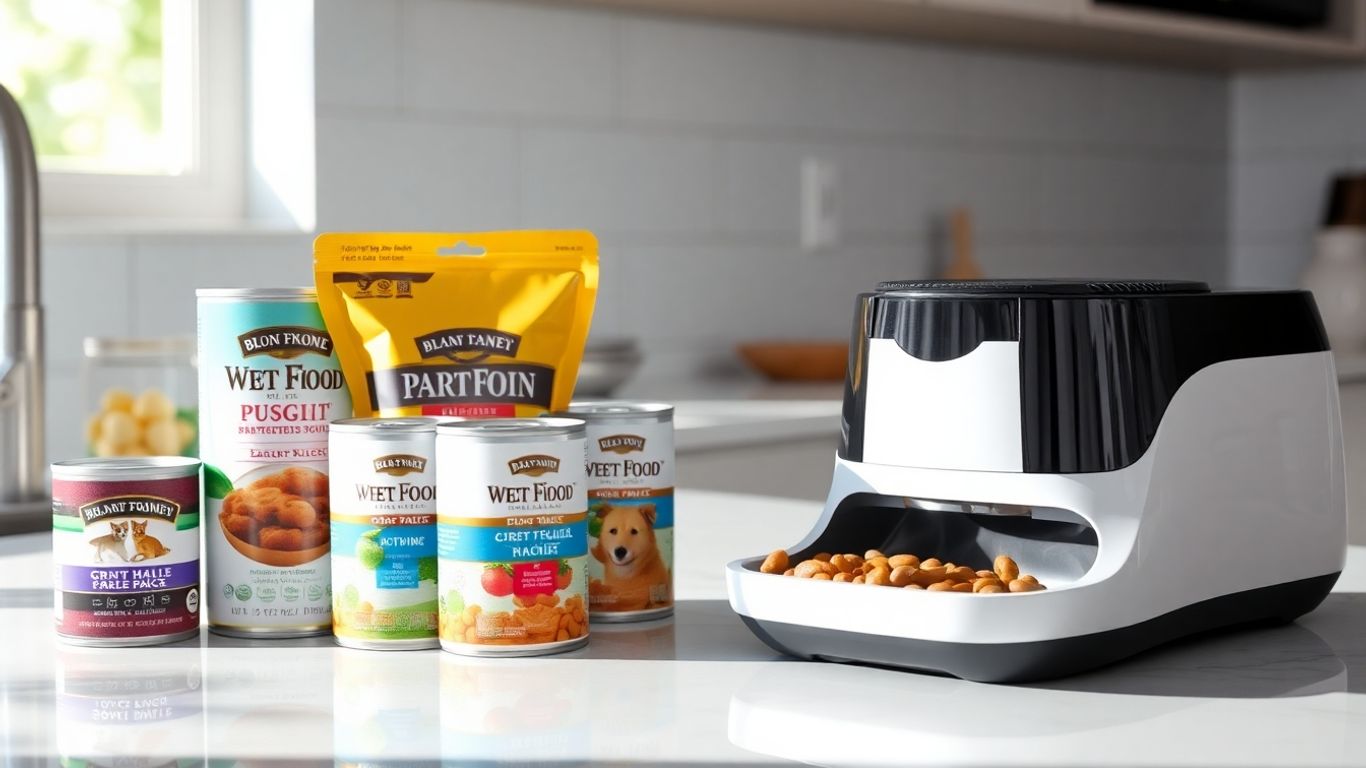
When you're looking for a feeder that can handle your pet's wet food, there are a few things that really make a difference. It's not just about having a bowl that dispenses food; it's about making sure the food stays fresh, is given in the right amounts, and that the whole system is easy for you to manage.
Portion Control Precision
This is a big one, especially if your pet has specific dietary needs or is trying to manage their weight. You want a feeder that lets you set exact amounts for each meal. Some feeders let you dial in portions as small as a tablespoon, which is great for pets on a strict diet. It helps prevent overfeeding, which can lead to weight gain, or underfeeding, leaving your pet hungry.
Timer Flexibility and Meal Scheduling
Your pet's feeding schedule might not always line up with yours. A good feeder should offer flexibility. Look for models that allow you to program multiple meals throughout the day. Whether your pet eats twice a day or needs smaller meals spread out more often, the timer needs to be easy to set and reliable. Some feeders can even handle up to 12 meals, which is handy for pets with very specific feeding routines.
Cooling Mechanisms for Wet Food
Wet food spoils quickly, especially in warmer temperatures. This is where cooling features come in. Some feeders use ice packs that you freeze and place under the food compartments. Others have built-in refrigeration. It's important to check how long these cooling systems actually work. An ice pack might only keep food fresh for a few hours, while a refrigerated unit can maintain a safe temperature for longer. Keeping wet food at a safe temperature is vital for your pet's health.
Ease of Cleaning and Maintenance
Let's be honest, cleaning pet feeders can be a chore. Wet food, in particular, can get sticky and messy. Look for feeders with removable parts that are dishwasher-safe. This makes cleanup much simpler. Having extra bowls or ice packs on hand can also be a lifesaver if you plan on using the feeder regularly, so you always have a clean set ready to go.
Dealing with wet food feeders can be a bit more involved than dry food dispensers. They often require more attention to keep the food fresh and clean. It's worth considering if the extra effort fits into your daily routine, especially if your pet has special dietary needs that make an automatic feeder a necessity.
Types of Wet Food Feeders Available

Alright, let's talk about the different kinds of automatic feeders out there specifically for wet food. It's a bit trickier than dry food, mostly because of freshness, you know? Wet food can go bad pretty fast if it's just sitting out. So, the feeders designed for it have to tackle that challenge.
Ice Pack Wet Food Feeders
These are pretty common. They usually have a tray with multiple compartments, and you put ice packs underneath or around the food. The idea is to keep the wet food chilled between meals. They're a decent option for keeping food fresh for a few hours, maybe up to half a day, depending on how well insulated the feeder is and how quickly the ice packs melt. It's not a perfect system, though. If the ice packs aren't super cold or the insulation isn't great, the food might not stay cool enough for long. You'll likely need to swap out the ice packs regularly, and it's a good idea to have extras on hand. Plus, you'll need to wash the bowls after every single use, which can be a bit of a chore if you're using it daily.
Refrigerated Wet Food Feeders
Now, these are a step up. Instead of relying on ice packs, they have a built-in refrigeration unit. Think of it like a mini-fridge for your pet's food. This is generally a much more reliable way to keep wet food at a safe temperature for longer periods, potentially up to three days. The downside? They can be more expensive, and sometimes the humming of the refrigerator might bother sensitive pets. Also, some cats aren't fans of cold food; they might prefer it at room temperature, so you might have to work on getting your cat used to it. But for consistent freshness and longer feeding windows, these are a solid choice.
Carousel-Style Feeders for Wet Food
These feeders often combine features from the other types. You'll typically find a rotating tray that presents a new meal compartment at a scheduled time. Many of these will also incorporate ice packs to keep the food fresh. They're great for setting up multiple meals in advance, often for a couple of days. You load them up, set the timer, and they do the rest. They're usually battery-powered, which is handy if you don't have an outlet nearby. While they might not have the advanced tech of some other feeders, they're straightforward and effective for managing wet food schedules. For a reliable way to manage multiple wet meals, consider options like the Cat Mate C500.
When choosing any wet food feeder, remember that cleaning is key. Since wet food spoils faster, you'll be washing bowls more often than with dry food feeders. Having extra bowls and ice packs can really save you time and hassle, especially if your pet eats multiple meals a day from the feeder.
Smart Technology and Connectivity
These days, a lot of pet feeders come with some pretty neat tech built-in. It’s not just about dispensing food anymore; it’s about making your life easier and keeping your pet happy, even when you're not home. Think of it as a little helper for your pet's mealtime.
App-Controlled Feeders
This is probably the most common smart feature you'll find. Basically, you download an app on your smartphone, connect it to the feeder via Wi-Fi, and then you can control everything from your phone. You can set up feeding schedules, adjust portion sizes, and even feed your pet on demand if you suddenly remember they haven't eaten.
-
Schedule meals down to the minute.
-
Get notifications when food is dispensed or if the feeder is low on food.
-
Monitor your pet's eating habits over time.
Some apps are super simple to use, while others can be a bit clunky. It’s worth checking reviews to see how user-friendly the app is before you buy. Sometimes, feeders use a third-party app, which can make things a little less straightforward if there are issues.
Camera Integration for Monitoring
Want to see your furry friend enjoying their meal? Some feeders come with built-in HD cameras. This is great for peace of mind, especially if you travel a lot or work long hours. You can check in on your pet, see them eat, and some even have two-way audio so you can talk to them or soothe them if they seem anxious.
Having a camera lets you connect with your pet even when you're miles away. It's a nice way to feel closer and make sure they're doing okay.
Voice Recording Features
This is a fun little extra. Many smart feeders let you record a short voice message that plays when it's time for your pet to eat. It’s meant to mimic your voice calling them to their meal. While it might not fool every pet, some cats and dogs definitely perk up when they hear their human’s voice coming from the feeder. It adds a personal touch to automated feeding.
|
Feature |
Typical Functionality |
|---|---|
|
App Control |
Remote scheduling, portion adjustment, manual feeding |
|
Camera |
Live video feed, sometimes with two-way audio |
|
Voice Recording |
Short audio clip plays at mealtime |
|
Notifications |
Low food alerts, dispensing confirmation, battery status |
|
Connectivity |
Wi-Fi (2.4GHz usually), sometimes Bluetooth |
Power Sources and Reliability
When you're looking at automatic feeders, especially for wet food, you really need to think about how they're powered. Nobody wants their pet to miss a meal because the power went out, right? It's a bit of a bummer when that happens.
Battery-Operated Feeders
Some feeders run solely on batteries. These can be handy if you don't have an outlet near where you want to place the feeder, or if you're worried about power outages. However, batteries don't last forever. You'll need to keep a stash of the right kind on hand and remember to swap them out regularly. It's super important to check the battery life estimates and factor in the cost of replacement batteries. If you're going away for a long weekend, you'll want to be extra sure those batteries are fresh.
Plug-In and Dual Power Options
Most feeders you'll find plug into a standard wall outlet. This is generally the most reliable option, as you don't have to worry about buying batteries. But what happens if the power flickers or goes out completely? That's where dual power comes in. Many feeders offer both a plug-in option and a battery backup. This is the gold standard for reliability. If the main power fails, the battery kicks in automatically, keeping your pet's meal schedule on track. It's a nice bit of peace of mind.
Backup Power for Uninterrupted Feeding
Think about your typical day. Are you home most of the time, or do you travel frequently? If you're often away, even for a day or two, a feeder with a robust backup power system is a must. Some feeders have a battery backup that only lasts a few hours, while others can run for days. Always check the specifications for how long the battery backup will last. You don't want to come home to a hungry, grumpy pet because the backup power wasn't enough.
Here's a quick look at power options:
|
Power Type |
Pros |
Cons |
|---|---|---|
|
Battery Only |
Portable, no outlet needed |
Batteries need replacing, can run out |
|
Plug-In Only |
Consistent power, no battery cost |
Useless during power outages |
|
Dual Power (Plug + Battery) |
Most reliable, works through outages |
Requires both outlet and battery maintenance |
Ultimately, the best power setup depends on your lifestyle and how much you're willing to spend on convenience and reliability. For wet food, where freshness is key and schedules are often strict, a dual-power option is usually the way to go.
Material Quality and Pet-Proof Design
Durable and Non-Toxic Materials
When you're picking out a wet food feeder, the stuff it's made of really matters. You want something that's tough and won't make your pet sick. Think about feeders made from high-quality, BPA-free plastics. These are generally safe and can handle a bit of wear and tear. Stainless steel bowls are also a great choice because they're easy to clean and don't hold onto smells or bacteria. It's all about finding a balance between durability and safety for your furry friend.
Preventing Food Tampering
Let's be honest, some pets are clever. If your dog or cat figures out how to get into the feeder between meals, you'll have a mess and a very full pet. Look for feeders that have a secure lid and a dispensing mechanism that's hard for paws to fiddle with. Some designs have special locks or require a bit more effort to open, which can stop even the most determined snackers. It’s like a little puzzle for them, but one that doesn't let them cheat!
Dishwasher-Safe Components
Cleaning is probably not your favorite part of pet ownership, but it's super important, especially with wet food. Mold and bacteria can grow quickly. That's why feeders with parts that can go right into the dishwasher are a lifesaver. Removable bowls and trays that are dishwasher-safe make the whole cleaning process much quicker and more thorough. If not dishwasher-safe, at least make sure the parts are easy to wipe down or rinse off without too much fuss. Nobody wants to spend ages scrubbing.
Here's a quick rundown of what to look for:
-
Material: BPA-free plastic, stainless steel.
-
Security: Secure lids, tamper-resistant mechanisms.
-
Cleaning: Dishwasher-safe bowls and trays, easy-to-clean surfaces.
A feeder that's tough to break into and simple to keep clean means fewer headaches for you and a healthier mealtime for your pet. It’s a win-win, really.
Wrapping It Up
So, choosing the right automatic feeder for your cat's wet food might seem a bit tricky at first. We've looked at a few different kinds, from those with ice packs to fancier refrigerated ones. Remember, it's all about what works best for your pet and your daily routine. Think about how much food your cat eats, if they're a speedy eater, or if you have multiple cats. Don't forget to consider how easy it is to clean and if you want any smart features. By keeping these points in mind, you can find a feeder that makes mealtime a breeze for both you and your furry friend. Happy feeding!
Frequently Asked Questions
Why should I use a wet food feeder for my pet?
Using a wet food feeder helps keep your pet's food fresh and safe, especially if they don't eat it all at once. It can also help manage portions, which is great for pets on specific diets or those who tend to overeat. Plus, it means you don't have to worry about feeding them on a strict schedule when you're busy or away.
What's the difference between ice pack and refrigerated wet food feeders?
Ice pack feeders use removable ice packs to keep food cool for a limited time, usually a few hours. Refrigerated feeders have a built-in cooling system, like a small fridge, to keep food cold for longer, often up to a couple of days. Refrigerated ones are generally more effective but also more expensive.
Are smart feeders with cameras really necessary?
Smart feeders with cameras aren't essential for everyone, but they can be really handy! They let you check in on your pet, see if they're eating, and even talk to them through the feeder. This can give you peace of mind, especially if you're away from home a lot or have a pet with special needs.
How do I make sure the wet food feeder is easy to clean?
Look for feeders with removable parts, especially the food bowls and trays. Ideally, these parts should be dishwasher-safe. This makes cleaning much simpler and ensures the feeder stays hygienic for your pet.
Can I use a wet food feeder if my pet prefers warm food?
Many pets prefer their food at room temperature or slightly warmer, like 'prey temperature.' Cold wet food from a feeder might be a turn-off for some pets. You might need to let the food sit out for a bit after dispensing or try warming it slightly before putting it in the feeder, though this can be tricky with automatic feeders.
What happens if the power goes out while using a wet food feeder?
This is where power options are important! Some feeders run only on batteries, while others plug into the wall. The best feeders have a dual power system – they use the plug but switch to battery power automatically if the electricity cuts out. This ensures your pet still gets their meal on time.