Thinking about getting an automatic feeder for your cat? It’s a pretty common thing these days, especially if you’ve got a busy schedule or a cat who’s always hungry. These gadgets can really help keep your pet on a good eating plan, whether you’re home or not. But with so many different kinds out there, it can be a bit much to figure out which one is the best fit for your furry friend and your home. Let’s break down what’s available and what to look for in an automatic feeder.
Key Takeaways
-
There are several types of automatic feeders, from simple gravity models to high-tech smart feeders with app control.
-
When choosing an automatic feeder, think about the type of food your cat eats, how much food it needs to hold, and if it’s easy to clean.
-
Reliable power is important; look for feeders with battery backup options for power outages.
-
Smart feeders offer remote control and monitoring via apps, but can be more expensive and complex.
-
Microchip feeders are great for multi-cat homes with specific dietary needs, preventing one cat from eating another's food.
Understanding Automatic Feeder Types
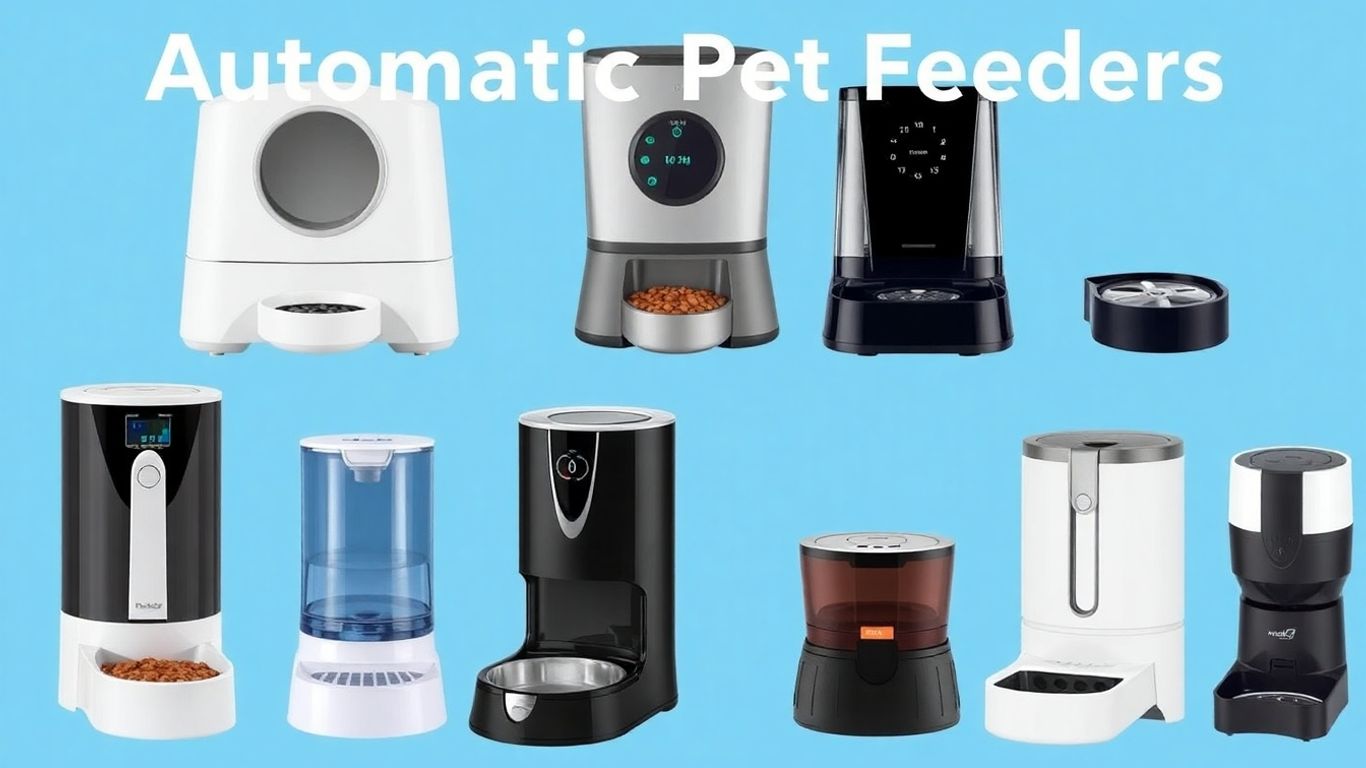
When you start looking into automatic feeders, you'll quickly see there are a few different kinds out there. It's not just a one-size-fits-all deal, and knowing the differences can really help you pick the best one for your furry friend and your lifestyle.
Gravity-Based Feeders For Simplicity
These are the most basic models. Think of them like a big container of kibble with a hole at the bottom that lets food fall into a bowl as your cat eats it. They work purely on gravity, meaning no fancy timers or electronics involved. They're super simple and usually pretty cheap, which is nice. They're a decent option if you're just going away for a weekend and your cat is pretty chill about food. However, if your cat is a bit of a food fiend, they might figure out how to tip these over or get more food out than they're supposed to. They're really only suitable for dry food, too.
Programmable Feeders For Scheduled Meals
These are a step up from the gravity feeders. They have a hopper for dry food, just like the simple ones, but with the added bonus of a timer. You can set specific times for the food to be dispensed and even control how much kibble comes out at each meal. This is great for keeping your cat on a consistent feeding schedule, which can be really helpful for their digestion and overall health. You'll find a lot of variety in quality here, though. Some can be a bit clunky and might jam up, or they might not dispense the exact amount you set. It's worth checking reviews to find one that's reliable.
Smart Feeders For Remote Control
Now we're getting into the high-tech stuff. Smart feeders connect to your home Wi-Fi and can be controlled using an app on your smartphone. This means you can adjust feeding times, portion sizes, and even check in on your pet from anywhere, whether you're at work or on vacation. Some of these even come with built-in cameras so you can see your cat munching away in real-time. While they offer a lot of control and peace of mind, they can also be more expensive and, like any tech, there's always a small chance of a glitch. They're usually best for dry food, too, though some advanced models are starting to handle other types.
Key Features Of An Automatic Feeder
When you're looking at automatic feeders, there are a few things that really matter. It's not just about getting food out on a schedule; it's about making sure that food is good for your pet and that the machine actually works.
Food Compatibility And Freshness
First off, think about the food you give your cat or dog. Most feeders are built for dry kibble, and they handle different sizes pretty well. But if you use wet food or something special, you'll need to be more careful. Some feeders have compartments that can keep wet food cool for a day or so, especially if they can take an ice pack. It's important that the food stays fresh, so look for features like airtight seals or places to put a desiccant packet to keep moisture out. This is especially true if the feeder holds a lot of food for longer trips.
Capacity For Extended Absences
How long will you be gone? If it's just a day trip or an overnight stay, a smaller feeder that holds maybe 5-10 meals might be fine. But if you're planning a week-long vacation, you'll need something with a much bigger storage bin. It's always a good idea to have someone check in on your pet if you're gone for more than a day or two, but a large-capacity feeder can certainly help bridge the gap.
Secure And Jam-Free Operation
Nobody wants a feeder that jams up or that their pet can easily break into. Cats, especially, can be pretty clever when food is involved. You want a feeder that's sturdy and designed so your pet can't knock it over or pry it open. Also, look for reviews that mention how smoothly the food dispenses. A feeder that makes a lot of noise or frequently gets clogged isn't going to be much help. A reliable feeder should dispense food consistently without a fuss.
Here's a quick rundown:
-
Kibble Size: Does it handle the shape and size of your pet's current food?
-
Food Type: Can it handle wet food if that's what your pet eats?
-
Storage: How much food can it hold? Is it enough for your typical absence?
-
Security: Can your pet get into the food storage or tip the unit over?
-
Dispensing: Does it work reliably without jamming?
Choosing The Right Automatic Feeder
So, you've decided an automatic feeder is the way to go. That's great! But with so many options out there, how do you pick the one that's actually going to work for you and your furry friend? It's not just about grabbing the first one you see. We need to think about a few things to make sure it's a good fit.
Consider Your Cat's Dietary Needs
First off, what does your cat eat? Most feeders are designed for dry kibble, and they handle different sizes pretty well. But if your cat eats wet food, or maybe a special raw diet, things get trickier. You'll need a feeder that can keep wet food cool, often with ice packs, and dispense it within a safe timeframe, usually around 24 hours. Some feeders have multiple compartments, which is handy for portioning out different meals or types of food. It's really important to match the feeder to your cat's specific food type to avoid spoilage or your cat not eating properly. For cats with specific dietary needs, like those who need precise portion control to manage weight, feeders with integrated scales can be a game-changer, offering accuracy that manual settings can't match. The Pawsync Smart Pet Feeder, for example, is known for its portion accuracy thanks to its built-in scale.
Evaluate Power Source Reliability
Think about where you'll put the feeder. Most plug into the wall, which is fine if your power never goes out. But what happens during a storm or a brownout? A feeder with a battery backup is a smart move. It means your cat won't miss a meal just because the electricity flickered. Some feeders run solely on batteries, and if that's the case, you'll want to be sure it has a good track record for battery life. You don't want to be caught off guard with a dead battery and a hungry cat.
Match Feeder To Your Budget
Automatic feeders range from super simple gravity dispensers to high-tech smart devices. Gravity feeders are the most basic and usually the cheapest. They just let food fall through as your cat eats. Programmable feeders let you set times and amounts, offering more control. Then you have the smart feeders, which connect to your phone and offer remote control and monitoring. These usually come with a higher price tag. Figure out what features you absolutely need versus what would be nice to have. If you're on a tight budget, a reliable programmable feeder might be all you need. If you travel a lot or want peace of mind knowing you can check in on your pet, a smart feeder might be worth the investment. There are options for pretty much every price point, so do a little research to find the best value for your situation.
Advanced Automatic Feeder Options
Beyond the basic programmable models, there's a whole other level of automatic feeders designed for specific needs and tech-savvy owners. These aren't just about dispensing food; they offer more control and insight into your pet's eating habits.
Microchip Feeders For Selective Eating
If you have multiple cats, especially if one is a bit of a vacuum cleaner or has special dietary needs, a microchip feeder can be a game-changer. These feeders work by reading your cat's unique microchip or a special RFID tag on their collar. Only the designated cat can get access to their food. This means no more one cat stealing another's special diet food or gobbling up more than their fair share. It's a pretty neat way to manage individual diets without a lot of fuss.
Feeders With Integrated Cameras
Want to check in on your furry friend while you're at work or on vacation? Some advanced feeders come with built-in cameras. You can often see your cat munching away in real-time. It's a nice bit of reassurance, and honestly, sometimes it's just fun to watch them eat. These cameras can also be helpful if you suspect your cat isn't eating properly when you're not around.
App-Enabled Control And Monitoring
This is where things get really modern. Feeders that connect to your smartphone via an app give you a lot of power. You can usually set feeding schedules, adjust portion sizes, and even dispense food manually from anywhere with an internet connection. Some apps will send you notifications when food is dispensed or if there's an issue. It's like having a remote control for your cat's meals right in your pocket.
Here's a quick look at what these advanced features can do:
-
Remote Feeding: Dispense meals from miles away.
-
Activity Logs: Track when and how much your pet eats.
-
Two-Way Audio: Some models let you talk to your pet through the feeder.
-
Low Food Alerts: Get notified before the food runs out.
While these high-tech feeders offer a lot of convenience and control, they do come with a higher price tag. It's worth considering if the advanced features are truly necessary for your situation or if a simpler model would suffice. Always check reviews for reliability, especially with app-connected devices.
Benefits Of Using An Automatic Feeder
Okay, so you're thinking about getting one of those automatic feeders for your cat, huh? It's a pretty solid idea, especially if your life gets a bit hectic. Honestly, the biggest win for me was just the peace of mind. Knowing that Mittens was getting her meals on time, even when I was stuck late at work or out for the evening, was a game-changer.
Consistent Meal Schedules For Pets
Cats, bless their furry little hearts, really thrive on routine. When their meal times are all over the place, it can actually stress them out. An automatic feeder helps keep things steady. It dispenses food at the same times every day, which can lead to a happier, more settled cat. Think about it: no more frantic meowing at 5 AM because they're hungry, and no more waiting around for you to get home to fill their bowl. It just makes their day more predictable, and that's a good thing for them.
Convenience For Busy Pet Parents
Let's be real, life happens. Sometimes you're running late, sometimes you get invited out last minute, or maybe you just want to sleep in on a Saturday. An automatic feeder takes the pressure off. You don't have to rush home to feed your cat, and you don't have to worry about them going hungry if your plans change unexpectedly. It's like having a little helper who's always on duty, making sure your pet is fed, no matter what your schedule looks like.
Managing Portion Control Effectively
This one's a big deal, especially if your cat has a tendency to, shall we say, enjoy their food a little too much. Many automatic feeders let you set specific portion sizes for each meal. This is super helpful for keeping your cat at a healthy weight and avoiding overfeeding, which can lead to all sorts of health problems down the line. It takes the guesswork out of feeding and helps you stick to a healthy diet plan for your furry friend.
It's not just about convenience; it's about responsible pet ownership. By using an automatic feeder, you're actively contributing to your pet's well-being through consistent nutrition and portion management, which can prevent common health issues related to diet.
Here are some of the ways it helps:
-
Prevents overeating: Helps keep your cat from eating too much at once.
-
Supports weight management: Aids in maintaining a healthy weight by controlling intake.
-
Reduces food waste: Dispenses only what's needed, so food stays fresher.
-
Minimizes begging: Your cat learns to wait for scheduled meals rather than constantly asking.
Maintaining Your Automatic Feeder
So, you've got this fancy automatic feeder, and it's making life easier. That's great! But like anything with moving parts and food, it needs a little TLC to keep running smoothly. Think of it like your car – you wouldn't just drive it forever without an oil change, right? Your feeder needs regular attention too.
Ease of Cleaning and Disassembly
First things first, cleaning. This is probably the most important part of keeping your feeder in good shape. Food bits can get stuck, and if you're using wet food, well, that can get gross pretty fast. Look for feeders that come apart easily. You want to be able to take out the food hopper, the dispensing tray, and any other bits that touch the food without needing a toolbox or a degree in engineering. Most good feeders will have parts that just click or slide out. A quick wipe-down with a damp cloth and maybe some mild soap for the removable parts is usually all it takes. Make sure everything is completely dry before you put it back together, though. Nobody wants soggy kibble.
Here’s a quick rundown on what to clean and how often:
-
Food Hopper: Empty and wipe down weekly to prevent stale food buildup.
-
Dispensing Chute/Tray: Clean after every few days, especially if you notice any residue.
-
Exterior: Wipe down the outside of the feeder regularly to keep it looking nice and dust-free.
Ensuring Smooth and Quiet Performance
Beyond just cleaning, you want to make sure the feeder itself is still doing its job without making a racket or getting jammed. Sometimes, a piece of kibble might be just the wrong shape or size, or maybe a bit of dust has accumulated in the mechanism. If you notice it starting to sound a bit rough or if food isn't dispensing quite right, give the dispensing mechanism a gentle clean. Sometimes, a small brush (like an old toothbrush) can get into those nooks and crannies. A well-maintained feeder operates quietly and reliably. If it starts making weird noises or jamming frequently, it might be a sign that something is wrong with the internal parts, or it's just time for a more thorough cleaning than usual.
Don't forget about the power source. Whether it's a wall plug or batteries, check that connections are secure and that batteries aren't corroded. A feeder that suddenly stops working because of a power issue isn't much help to your pet.
Regular maintenance isn't just about keeping the gadget working; it's about making sure your pet is getting their meals safely and consistently. It's a small effort for a lot of peace of mind.
Wrapping Up
So, there you have it. Automatic feeders can really be a lifesaver, whether you're stuck at work late or planning a quick weekend trip. From the super simple gravity ones to the fancy smart feeders with cameras, there's definitely something out there for every cat and every owner. Just remember, while these gadgets are awesome for keeping your furry friend fed on schedule, they're not a replacement for actual human interaction. Always make sure your cat is getting enough love and attention, feeder or not. Happy feeding!
Frequently Asked Questions
What exactly is an automatic cat feeder?
An automatic cat feeder is a device that can give your cat food at set times, even when you're not home. Think of it like a little robot chef for your cat's meals!
Are these feeders good for all cats?
They can be great for most cats, especially if you have a busy schedule or a cat who loves to eat! Some feeders are even designed for cats with special diets or picky eating habits.
Can I use an automatic feeder for wet food?
Some special feeders are made for wet food and even have cooling features to keep it fresh. Most regular feeders are best for dry kibble, though.
How much food can these feeders hold?
The amount varies a lot! Some hold just enough for a weekend trip, while others can store enough food for a week or even longer. It's important to pick one that fits how long you'll be away.
What happens if the power goes out?
Many feeders run on electricity, but a lot of them have a battery backup just in case the power flickers. This makes sure your cat still gets fed even during an outage.
Do I still need a pet sitter if I have an automatic feeder?
While feeders are super helpful, they can't replace a person. If you're gone for more than a day or two, it's still a good idea to have someone check in on your cat to make sure everything is okay.