Feeding your furry friend just got a whole lot easier, and maybe even a bit futuristic. We're talking about the mic chip food feeder, a gadget that's changing the game for pet parents. Forget the old days of worrying if your pet got their meal on time or if one pet snagged another's dinner. This tech is designed to take the stress out of mealtime, making sure your pet gets exactly what they need, when they need it. It’s a pretty neat way to keep your pet healthy and your life a little less complicated.
Key Takeaways
-
A mic chip food feeder uses your pet's unique microchip to dispense food, stopping food theft and competition in multi-pet homes.
-
These feeders help manage specific dietary needs, allergies, or medical diets by only opening for the intended pet.
-
They offer portion control, helping to manage your pet's weight and overall health.
-
Features like voice recording and app control add convenience for busy owners, allowing remote feeding and monitoring.
-
Choosing the right mic chip food feeder involves considering capacity, ease of use, durability, and specific features your pet might need.
Revolutionize Your Pet's Feeding Routine With A Mic Chip Food Feeder
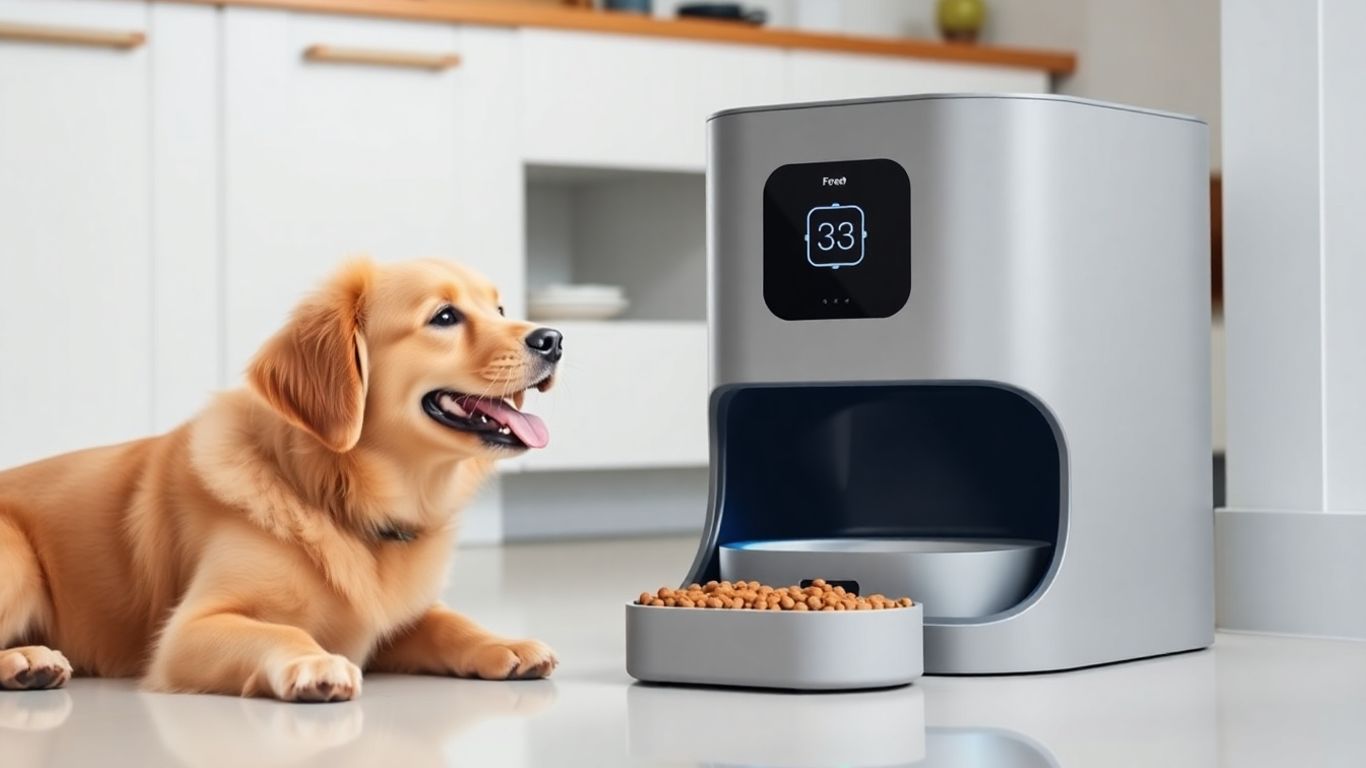
Feeding time used to be a bit of a chaotic event in my house, especially with multiple pets. You know how it is – one pet finishes way before the others, then starts eyeing their sibling's bowl. Or maybe you have a pet with special dietary needs, and you're constantly worried about them sneaking food they shouldn't have. It felt like a constant juggling act. That's where the microchip food feeder completely changed the game for us.
Understanding The Mic Chip Food Feeder Technology
So, how does this magic work? It's actually pretty clever. These feeders use your pet's existing microchip, the one they get at the vet, to identify them. When your pet approaches the feeder, it scans their chip. If it's the right pet, the lid opens, giving them access to their meal. If it's not, well, the lid stays shut. It’s like a personal, high-tech butler for each of your furry friends. Some models even come with a special tag you can attach to their collar if they aren't microchipped yet. It’s a simple concept, but it solves a lot of common pet-owner headaches.
Benefits For Multi-Pet Households
This is where microchip feeders really shine. If you have more than one pet, you know the food-stealing drama. My cat, Whiskers, used to guard his bowl like it was Fort Knox, and my other cat, Patches, would try to sneak bites whenever she could. With a microchip feeder, each pet gets their own designated food bowl that only opens for them. This means no more competition, no more one pet getting overfed while another starves. It’s fantastic for keeping the peace and making sure everyone eats what they’re supposed to.
Ensuring Nutritional Needs Are Met
Beyond just stopping food theft, these feeders are brilliant for managing specific dietary requirements. Let's say one of your pets is on a special diet for health reasons, or maybe they have allergies. You can set up their feeder to dispense only their specific food, and only when they approach it. This prevents them from accidentally eating the wrong thing, which can be a real lifesaver. It takes the guesswork out of portion control and makes managing complex diets so much simpler. You can finally relax knowing your pet is getting exactly what they need, no more, no less.
Key Advantages Of Implementing A Mic Chip Food Feeder
So, you're thinking about getting one of these fancy microchip pet feeders? It might seem like a bit of a splurge at first, but honestly, the benefits can really change things for the better, especially if you've got a multi-pet household or a pet with specific needs. Let's break down why these feeders are becoming so popular.
Preventing Food Stealing And Competition
This is a big one for many pet parents. If you have more than one furry friend, you know how one might be a speed eater and the other a slow grazer, or worse, one might just be a food thief, always eyeing their sibling's bowl. A microchip feeder solves this by only opening for the specific pet whose chip is registered to it. It's like a personal dining booth for each animal. No more squabbles over food, no more one pet getting overfed while another goes hungry. This is particularly helpful for pets on different diets or with different caloric needs. The feeder recognizes the pet and grants access, keeping everyone's meals separate and secure.
Managing Dietary Restrictions And Allergies
For pets with allergies or specific dietary requirements, these feeders are a game-changer. Imagine trying to manage a pet on a prescription diet while your other pets are perfectly happy with their regular kibble. It's a constant battle to keep bowls separate and prevent accidental dietary breaches. With a microchip feeder, you can load the specific food for the pet that needs it, and only that pet can access it. This means no more worrying about your allergic cat accidentally munching on your other cat's grain-free food, or your diabetic dog getting into the puppy's high-calorie treats. It provides a level of control that's hard to achieve otherwise, helping to keep your pet safe and healthy.
Peace Of Mind For Busy Pet Owners
Life gets hectic, right? Work runs late, errands take longer than expected, or maybe you just want to enjoy a weekend away without stressing about who's feeding your pets and if they're getting the right amount. A microchip feeder offers a significant amount of peace of mind. You know that your pet's meals are portioned correctly and available at the scheduled times, even if you're not there. Some models even allow you to record a voice message, so your pet can hear your voice when it's time to eat, which can be comforting for them (and for you!). It takes a load off your mind, allowing you to focus on other things without that nagging worry about your pet's mealtime.
The ability to precisely control who eats what and when is invaluable. It's not just about convenience; it's about health management and reducing stress for both pets and owners. The technology ensures that each pet receives their designated food, preventing overeating, under-eating, and the consumption of inappropriate foods, which can lead to serious health issues.
Choosing The Right Mic Chip Food Feeder For Your Companion
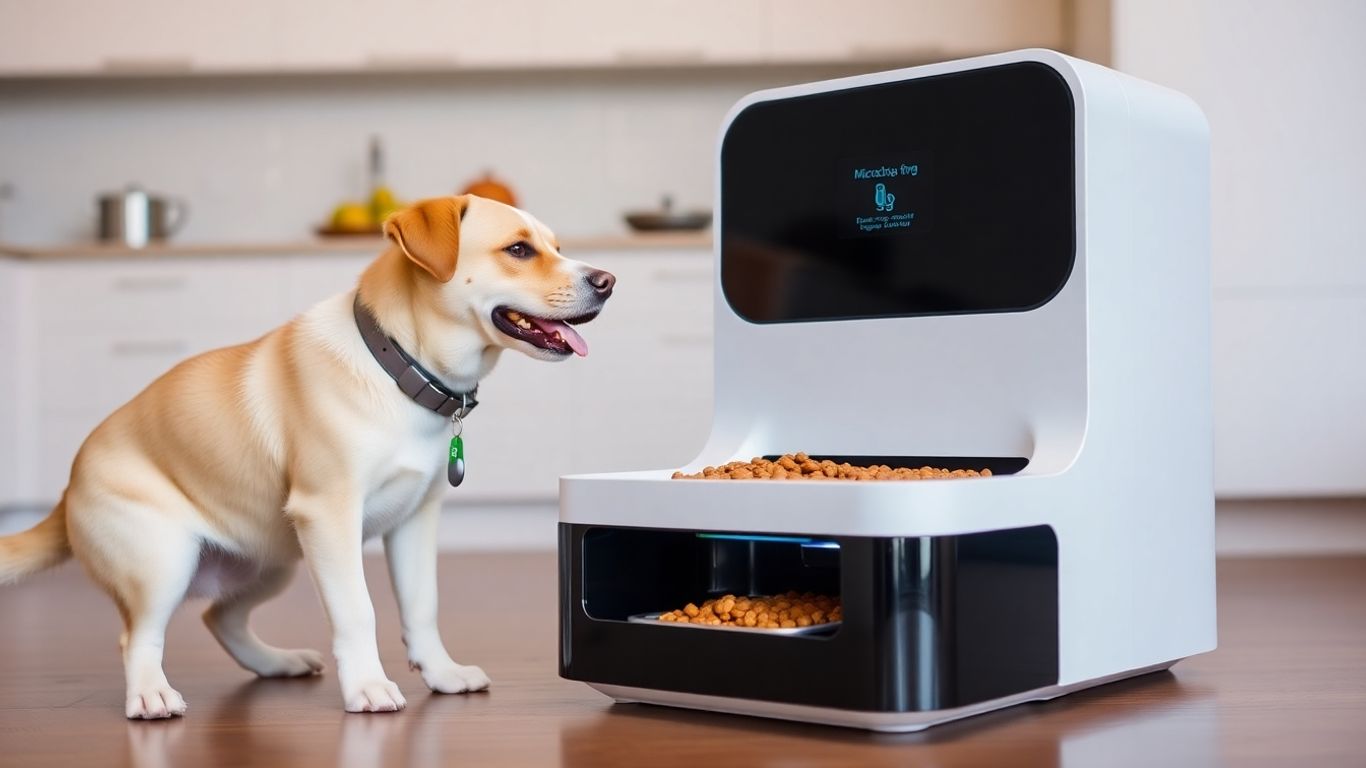
So, you've decided a microchip pet feeder is the way to go. That's great! But with a few different kinds out there, how do you pick the best one for your furry friend? It's not just about the tech; it's about finding something that fits your pet's needs and your lifestyle.
Capacity And Portion Control Features
First off, think about how much your pet eats. Some feeders are pretty basic, just holding a certain amount of food. Others let you set exact portions for each meal. This is super handy if your pet needs to watch their weight or if you're dealing with multiple pets and want to make sure each one gets their fair share, not more.
-
Small Pets: For cats or small dogs, a feeder with a capacity of around 5-7 cups might be plenty. You'll want to check if it can dispense small amounts accurately, like a couple of tablespoons.
-
Larger Pets: Bigger dogs might need a feeder with a larger hopper, maybe 10 cups or more. Portion control is still key here, so look for models that can dispense larger, consistent amounts.
-
Wet vs. Dry Food: Some feeders are only for dry kibble. If your pet eats wet food, you'll need a model designed for it, often with a cooling element to keep it fresh. These usually have a lid that seals.
Don't just grab the biggest one you see. Think about how often you want to refill it and if precise portioning is a must-have for your pet's health.
Ease Of Use And Maintenance
Let's be real, nobody wants a complicated gadget. You want something that's straightforward to set up and clean. Most feeders will have a main food storage area and a bowl. Check if the bowl is removable and dishwasher safe – that's a big plus for hygiene.
-
Setup: How easy is it to program the feeding times and link your pet's microchip? Some have simple buttons and screens, while others might use an app. If you're not super tech-savvy, simpler is better.
-
Cleaning: Food residue can build up. Look for feeders with smooth surfaces and removable parts that can be easily wiped down or washed.
-
App Control: If you go for a smart feeder, is the app intuitive? Can you easily adjust settings or check on your pet remotely?
Durability And Material Considerations
Your pet might be tempted to investigate their new feeder, maybe even try to knock it over or chew on it. So, durability is important. Look for feeders made from sturdy, pet-safe plastics or even metal. A heavier base or non-slip feet can also prevent it from sliding around during mealtime.
-
Materials: Food-grade, BPA-free plastic is standard. Some higher-end models might use stainless steel bowls, which are great for hygiene.
-
Build Quality: Does it feel solid? Are there any flimsy parts that look like they could break easily? Reading reviews about how well a feeder holds up over time can be really helpful here.
-
Pet-Proofing: Consider if your pet is a chewer or a digger. Some feeders have lids that are harder to pry open, which is a good feature to look for if your pet is particularly persistent.
Integrating A Mic Chip Food Feeder Into Your Pet's Life
So, you've picked out the perfect microchip food feeder for your furry friend. That's awesome! Now comes the part where you actually get it set up and show your pet how it works. It might seem a little daunting at first, but honestly, it's usually pretty straightforward.
Setup and Training Your Pet
Getting the feeder ready to go is the first step. Most of these feeders come with instructions, and they're generally pretty clear. You'll typically need to plug it in or put in batteries, and then you'll link your pet's microchip. If your pet doesn't have a microchip, don't sweat it – many feeders come with special tags you can attach to their collar. This tag is what the feeder reads to know which pet is allowed to eat.
Training your pet is where the real fun begins. For most cats and dogs, it's a matter of a few days. You want to associate the feeder with mealtime. Some feeders have lids that can be set to open and close, which can help.
-
Introduce the feeder: Place it in your pet's usual feeding spot.
-
Show them the food: Let them see you put food inside.
-
Encourage interaction: Gently guide them towards the feeder. If it has a lid, you might open it for them initially.
-
Positive reinforcement: Praise them when they approach or eat from it. Treats can also help.
The key is patience and consistency. Don't get discouraged if they're a bit hesitant at first. They'll get the hang of it.
Battery Life and Power Options
When you're looking at feeders, it's smart to think about how they get their power. Most feeders run on a standard wall plug, which is super convenient. However, what happens if the power goes out? Many models include a battery backup, usually using common household batteries like C or D cells. This is a big plus because you don't want your pet missing a meal because of a power flicker.
Battery life can vary a lot. Some owners report batteries lasting for months, even over six months, with regular use. Others might find they need to swap them out more frequently, especially if the feeder is used a lot or if it has extra features like voice recording that use more power. It's a good idea to keep a spare set of batteries handy, just in case.
|
Power Source |
Typical Use Case |
|---|---|
|
Wall Plug |
Primary power, reliable and constant |
|
Battery Backup |
For power outages, keeps feeder operational |
|
Battery Only |
For placement away from outlets, portable use |
Troubleshooting Common Issues
Even the best gadgets can have hiccups. If your pet is having trouble with the feeder, or if the feeder itself isn't working right, there are a few things to check.
-
Pet Not Using Feeder: This is common. Make sure the feeder is clean and doesn't smell like cleaning products. Try placing a favorite treat inside to encourage them. Sometimes, a simple change in location can help.
-
Feeder Not Recognizing Chip: Double-check that the pet's microchip is properly registered with the feeder. If you're using a collar tag, ensure it's securely attached and not damaged.
-
Lid Not Opening/Closing: Make sure there's no food debris jamming the mechanism. Check the battery levels, as low power can sometimes cause issues with moving parts.
-
Food Dispensing Problems: If the feeder is meant to dispense specific portions, ensure the food kibble size is appropriate for the feeder's mechanism. Some feeders can jam if the kibble is too large or oddly shaped.
Most manufacturers have customer support lines or online FAQs that can help you sort out more specific problems. Don't hesitate to reach out if you're stuck. They've usually seen it all before and can offer quick solutions.
Remember, introducing a new piece of tech into your pet's life takes a little time, but the long-term benefits for their health and your peace of mind are totally worth it.
Beyond Basic Feeding: Advanced Mic Chip Food Feeder Features
Voice Recording and Two-Way Communication
Some of these feeders go beyond just dispensing food. They let you record a short message, like a little "meal call," to play when the food is ready. It's a neat trick to make your pet feel like you're there, even when you're not. It can also serve as an alert, letting them know it's time to eat. After a few days, most pets figure out the sound and will be waiting patiently. It’s a small touch, but it can make a difference for anxious pets or those who miss you a lot.
Camera Integration for Remote Monitoring
Want to check in on your furry friend while you're at work? Some advanced models come with built-in cameras. This lets you see your pet, watch them eat, and even check if they're doing okay. It’s like having a little window into your home, giving you peace of mind. You can see if they're interacting with the feeder correctly or if there are any issues you might not be aware of otherwise. This feature is particularly helpful for pets with health concerns or those who are new to using the feeder.
Smart Connectivity and App Control
This is where things get really modern. Many of the top-tier feeders connect to your home Wi-Fi. You can then control everything through a smartphone app. This means you can adjust feeding schedules, check food levels, and even get notifications right on your phone. It’s the ultimate convenience for busy pet parents. You can manage your pet's diet from anywhere, whether you're stuck in traffic or on vacation. Some apps even track your pet's eating habits, which can be useful information for your vet. For example, you can see if your pet is eating less than usual, which might signal a health problem. The ability to control portion sizes remotely is also a big plus for managing weight. You can find feeders with large capacities, like the 16-cup stainless steel bowl models, that still allow precise portion control through the app.
The integration of smart technology into pet feeders is transforming how we care for our animals. It moves beyond simple automation to offer a more connected and responsive approach to pet nutrition and well-being. This allows for proactive health management and a deeper connection with our pets, even when we're apart.
Wrapping Up Mealtime Worries
So, there you have it. Thinking about a microchip pet feeder might seem a bit high-tech at first, but honestly, it just makes life easier. No more rushing home because you're worried about your pet's dinner. Whether you've got a picky eater, a pet that needs specific portions, or just want a bit more freedom in your schedule, these feeders really do the trick. They help keep things fair if you have multiple pets and can even help manage weight. It’s a simple change that can make a big difference for both you and your furry friend. Give it some thought – your pet, and your peace of mind, might thank you for it.
Frequently Asked Questions
What exactly is a microchip pet feeder?
A microchip pet feeder is a smart food bowl that uses your pet's unique microchip to identify them. It only opens for the specific pet it's programmed for, making sure each pet gets their own food and preventing others from stealing it. It's like a personal food butler for your furry friend!
Why would I need a microchip feeder for just one pet?
Even with one pet, a microchip feeder can be super helpful! It's great for pets with special diets, like those who need specific portions or can only eat certain foods. It ensures they always get exactly what they need, when they need it, without any accidental overeating or mix-ups.
How does the microchip feeder know which pet is which?
Each feeder can store the unique ID number from your pet's microchip. When your pet approaches the feeder, it scans their chip. If it matches the programmed pet, the lid opens just for them. If your pet doesn't have a microchip, some feeders come with a special tag you can attach to their collar instead.
Can these feeders handle wet food, or just dry kibble?
Many microchip feeders are designed to handle both wet and dry food. For wet food, the lid seals tightly to keep it fresh for a few hours, so your pet can eat on their own schedule without the food going bad. Some even come with ice packs to keep wet food cool longer.
Is it hard to set up and train my pet to use it?
Setting them up is usually pretty straightforward, often involving plugging it in and pairing it with your pet's chip. Training your pet might take a little patience, but many feeders have lids that can be set to open and close easily at first. Most pets catch on quickly, especially when they realize it’s their personal food source!
What happens if the power goes out?
Most microchip feeders run on both a wall plug and batteries. If the power flickers or goes out completely, the battery backup ensures the feeder will still work, so your pet won't miss a meal. It's a great safety net for ensuring consistent feeding, no matter what.